Comprehensive Comparison of Oxygen Transfer Efficiency in Fine Bubble, Jet, and Swirl Aeration Systems
By: Kate Nana
Post Date: February 25th, 2026
Post Tags: Fine Bubble vs Jet Aeration Comparison,Best Aeration System for High MLSS,Aeration Efficiency under Different Water Depth,Industrial Wastewater Aeration Solutions,Energy Saving Aeration Technology,Fine Bubble Aeration System,Jet Aeration System,Swirl Aeration System
In wastewater treatment aeration systems, oxygen transfer efficiency is the core technical indicator. It is typically evaluated using:
Standard Oxygen Transfer Efficiency (SOTE) – measured under clean water conditions (20°C, 1 atm).
Actual Oxygen Transfer Efficiency (OTE) – measured under real wastewater operating conditions.
These two parameters are critical for determining system energy consumption and process compatibility.
Under typical municipal wastewater aeration tank conditions, the general ranking of oxygen transfer efficiency is:
Fine Bubble Aeration > Jet Aeration > Swirl Aeration
However, in real wastewater environments, jet and swirl aeration systems exhibit lower efficiency decay, while fine bubble systems are more sensitive to water quality and sludge concentration. The fundamental differences arise from bubble size, gas–liquid contact time, and mass transfer mechanisms.
This article compares the three systems from:
Core efficiency values
Oxygen transfer mechanisms
Key influencing factors
Efficiency decay characteristics under real operating conditions
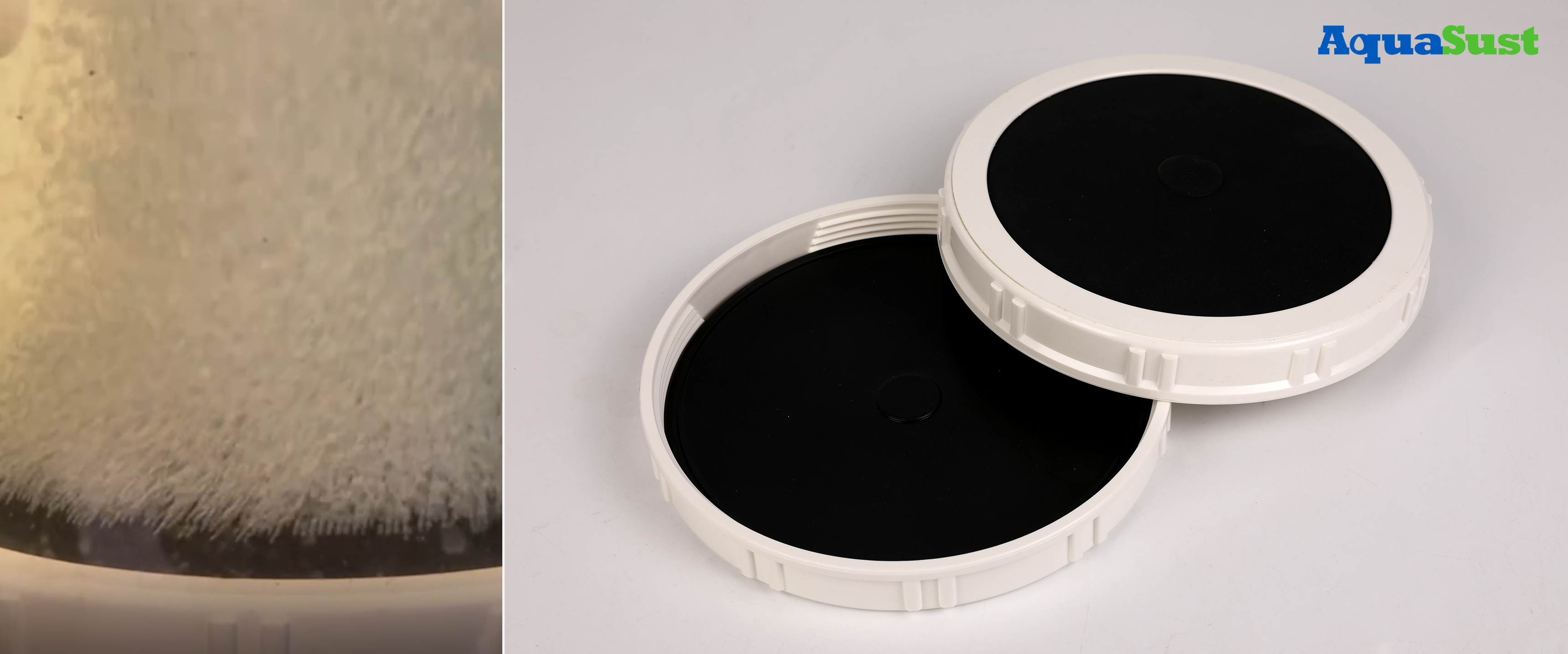
1. Fine Bubble Aeration System
Highest Oxygen Transfer Efficiency, Most Efficient Mass Transfer
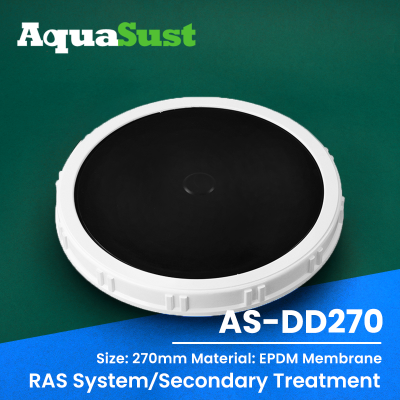
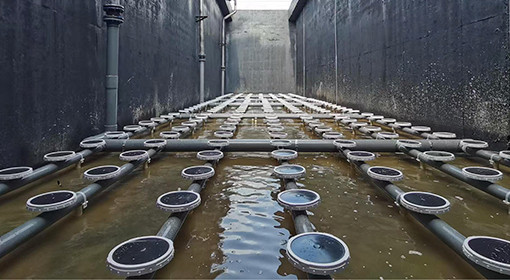
Fine bubble aeration is currently the most efficient oxygen transfer method in wastewater treatment. Membrane-type disc and tube diffusers are widely used in processes such as:
AAO process
Oxidation Ditch
SBR process
1.1 Core Efficiency Values
Conventional fine bubbles (1–5 mm diameter) at 4–6 m water depth:
SOTE: 25%–45%
Ultra-fine bubbles (<1 mm diameter):
SOTE can exceed 50% (the only category surpassing 40% consistently)
Under actual wastewater conditions (MLSS 2000–4000 mg/L):
OTE ≈ 60%–80% of SOTE
1.2 Efficiency Mechanism
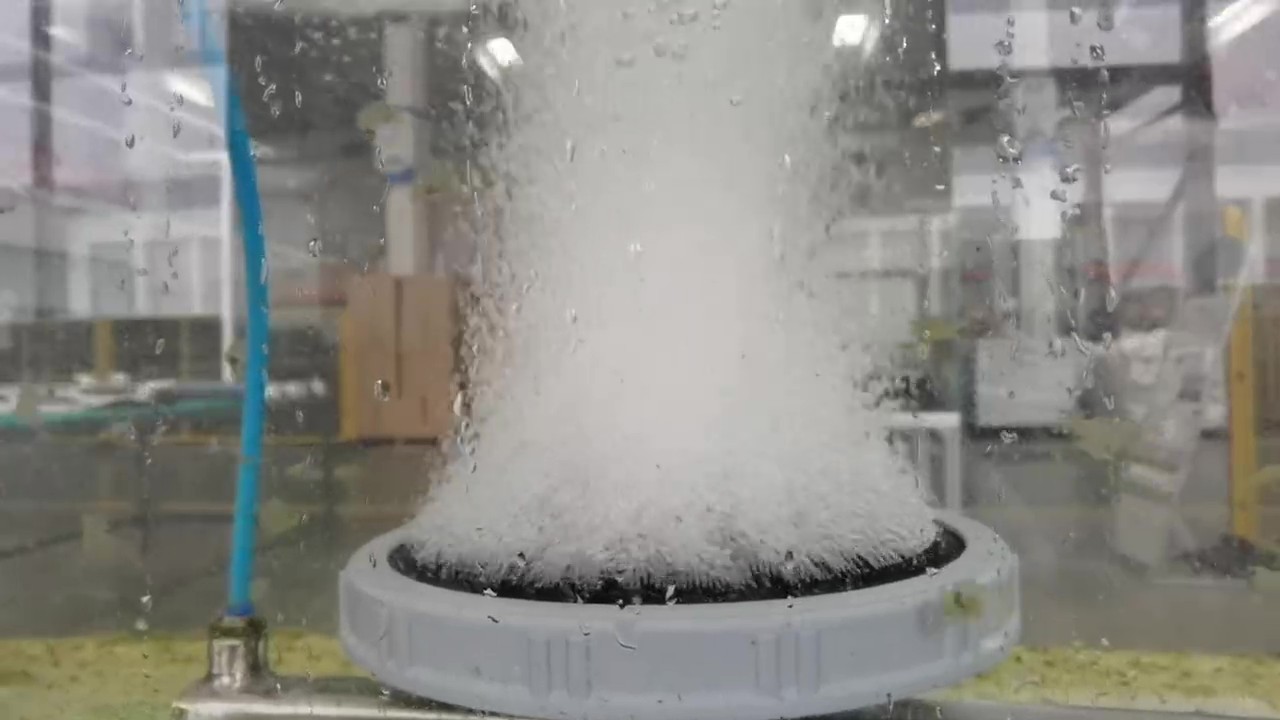
Fine bubbles are generated through membrane perforations (0.5–2 mm openings), producing microbubbles with:
Very large specific surface area
Low rising velocity (0.03–0.1 m/s)
Long residence time (3–5 minutes)
The extended gas–liquid contact time and strong interfacial mass transfer driving force allow efficient oxygen diffusion from gas phase to liquid phase. This is a classic interfacial mass transfer–dominant system.
1.3 Key Influencing Factors
Water depth:
Each additional meter increases SOTE by approximately 5%–8%.
MLSS concentration:
When MLSS exceeds 4000 mg/L, sludge flocculation promotes bubble coalescence, reducing efficiency by 10%–30%.
Membrane fouling and clogging:
Scaling and sludge attachment enlarge bubble size and significantly reduce efficiency. Regular cleaning is essential.
2. Jet Aeration System
Moderate Oxygen Transfer Efficiency with Integrated Mixing
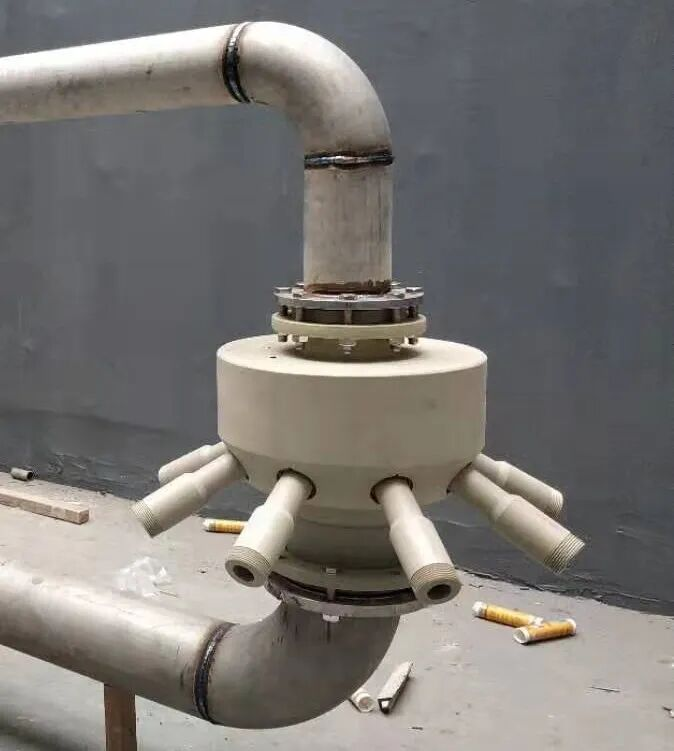
Jet aeration combines turbulent mass transfer and interfacial transfer, without fine pores that may clog. Aeration and mixing are integrated, making it suitable for:
High-strength organic wastewater
Industrial wastewater with suspended solids
Applications requiring strong mixing
2.1 Core Efficiency Values
Self-aspirating jet aerators (4–8 m depth):
SOTE: 15%–30%
Pressurized jet systems (external blower supply):
SOTE: 30%–35%
Under actual high-MLSS conditions:
OTE ≈ 70%–90% of SOTE
2.2 Efficiency Mechanism
High-pressure water is discharged through a nozzle, creating negative pressure that entrains air and forms medium-sized bubbles (5–20 mm).
Key characteristics:
Jet penetration distance: 5–10 m
Strong turbulence breaks the liquid boundary layer
Extended gas–liquid interaction zone
Although bubble surface area is smaller than fine bubbles, turbulent mixing compensates for the difference by enhancing oxygen diffusion.
2.3 Key Influencing Factors
Jet pressure and gas–liquid ratio:
Optimal ratio: 1:3 to 1:5
Insufficient pressure reduces air entrainment and cutting efficiency.
Water depth:
Each additional meter increases SOTE by approximately 3%–5%.
Water quality impact:
Minimal sensitivity to sludge concentration or suspended solids. No clogging structure.
3. Swirl Aeration System
Lowest Oxygen Transfer Efficiency, Highest Operational Stability
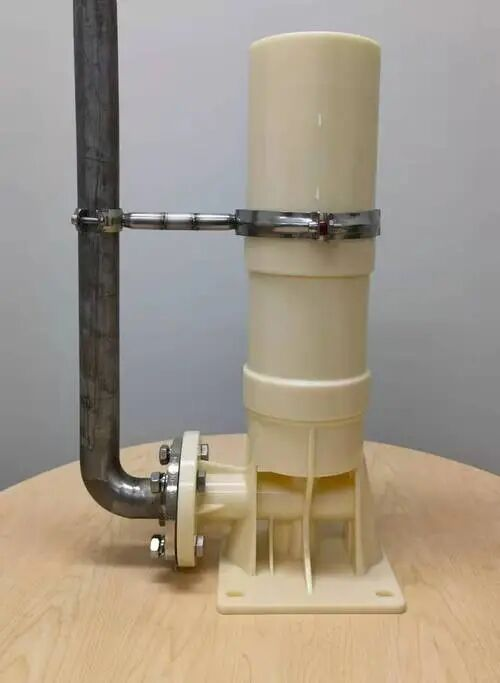
Swirl (or mixed-flow) aeration produces medium-to-large bubbles and features a simple structure with strong anti-clogging capability. It is suitable for:
Small wastewater treatment plants
Intermittent aeration applications
Poor or fluctuating water quality conditions
3.1 Core Efficiency Values
3–5 m water depth:
SOTE: 8%–15%
Water depth beyond 5 m:
Efficiency improvement <2%
Under actual wastewater conditions:
OTE ≈ 80%–95% of SOTE
(Lowest efficiency decay among the three types)
3.2 Efficiency Mechanism
Air enters a swirl chamber and is sheared into larger bubbles (20–50 mm diameter).
Characteristics:
Rising velocity: 0.2–0.5 m/s
Residence time: 1–2 minutes
Smaller specific surface area
Limited boundary layer disruption
Oxygen transfer relies mainly on surface interfacial transfer, resulting in relatively low efficiency.
3.3 Key Influencing Factors
Tank hydraulic conditions
Presence of dead zones
Structural outlet configuration
Water quality, sludge concentration, and pH have minimal impact. No clogging components.
Summary of key parameters for oxygen transfer efficiency in aeration systems

Selection Principles Under Actual Operating Conditions
1. Fine Bubble Aeration – Priority Choice for Energy Efficiency
Recommended for:
Municipal wastewater
Low-strength industrial wastewater
MLSS ≤ 4000 mg/L
Strict energy consumption requirements
Fine bubble systems significantly reduce blower energy consumption but require regular maintenance.
2. Jet Aeration – Preferred for High-Strength Wastewater
Recommended for:
COD > 1000 mg/L
High suspended solids or oily wastewater
MLSS > 5000 mg/L
Applications requiring strong mixing
Jet aeration offers stable oxygen transfer under complex conditions.
3. Swirl Aeration – Preferred for Low-Maintenance Applications
Recommended for:
Small treatment plants (<1000 m³/day)
Intermittent aeration systems (e.g., small-scale SBR process systems)
Limited maintenance resources
Though lower in oxygen efficiency, it ensures operational reliability.
Core Conclusion
Core Conclusion
The fundamental difference among the three aeration systems reflects a balance between:
Oxygen transfer efficiency
Operational stability
Maintenance requirements
Process adaptability
Fine bubble aeration delivers the highest oxygen efficiency but requires higher maintenance and stable water conditions.
Jet aeration balances oxygen efficiency, mixing, and anti-clogging performance.
Swirl aeration prioritizes operational simplicity and robustness over efficiency.
In practical wastewater engineering, oxygen transfer efficiency alone should not determine system selection. Engineers must evaluate:
Process requirements
Wastewater characteristics
Energy consumption targets
Operational and maintenance capacity
For example, in the aerobic zone of an AAO process system, fine bubble aeration is typically preferred. If additional sludge mixing is required, combining fine bubble diffusers with partial jet aeration can achieve an optimized solution of “high oxygen efficiency + supplementary mixing.”