Process Characteristics and Application Comparison of Aerated and Horizontal-Flow Grit Chambers
By: Kate Nana
Post Date: January 28th, 2026
Post Tags: Grit Chamber,Wastewater Pretreatment,Inorganic Particle Removal,Aerated Grit Chamber,Horizontal-Flow Grit Chamber
Process Characteristics and Application Comparison of Aerated and Horizontal-Flow Grit Chambers
1. Functions of a Grit Chamber
A grit chamber is an essential pretreatment unit in wastewater treatment systems. Its main functions include:
Removing high-density inorganic particles (such as sand and gravel) from wastewater;
Protecting pumps, pipelines, and mechanical equipment from abrasion and damage;
Reducing the volume and operational load of downstream sludge treatment facilities;
Increasing the organic content of sludge, thereby enhancing its value for agricultural or resource recovery applications.
2. Main Types of Grit Chambers
The most commonly used grit chambers include:
Aerated Grit Chambers
Horizontal-Flow Grit Chambers
3. Aerated Grit Chamber
An aerated grit chamber is typically a rectangular tank where air is introduced along one side of the basin, creating a controlled spiral flow pattern. The flow velocity gradually decreases from the outer edge toward the center, allowing dense sand particles to settle into the grit collection channel at the bottom.
During this process, organic matter and sludge scoured from the sand particles remain in suspension and are carried forward to subsequent treatment units.
Key characteristics:
Stable and efficient grit removal performance;
Less sensitive to influent flow variations;
Low organic content in removed grit (typically around 5%);
Grit can be stored for long periods without putrefaction or odor issues;
Additional benefits include grease flotation, stripping of volatile organic compounds (VOCs), pre-aeration, oxygenation, and partial oxidation of organic matter.
4. Horizontal-Flow Grit Chamber
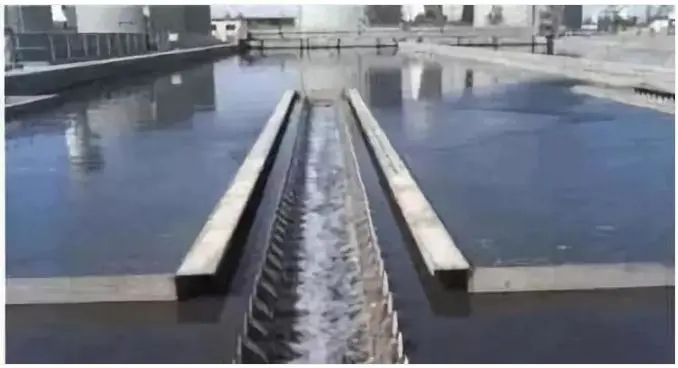
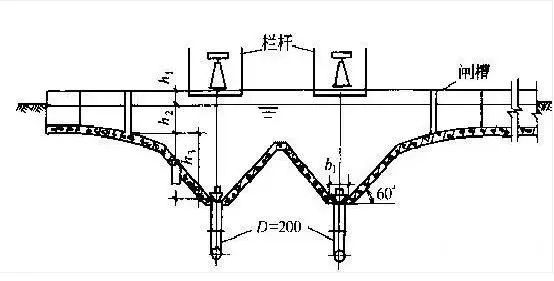
A horizontal-flow grit chamber is essentially a channel that is wider and deeper than the influent and effluent channels. As wastewater flows through this section, the increased cross-sectional area reduces flow velocity, allowing inorganic particles to settle under gravity and be separated from the wastewater.
Key characteristics:
Simple structure and relatively low capital cost;
Easy operation and maintenance;
Less effective in removing sand particles coated with organic matter.
5. Comparison Between Aerated and Horizontal-Flow Grit Chambers
The major drawback of conventional (non-aerated) grit chambers is that the collected grit often contains a significant amount of organic matter. This organic fraction tends to decompose and generate odors, especially during high-temperature conditions in summer, causing operational and environmental concerns. Additionally, their efficiency in removing organically coated sand particles is relatively low.
In contrast, aerated grit chambers significantly improve the separation of grit and organic matter through hydraulic rotation and aeration, producing cleaner grit and offering a more stable and environmentally friendly operation. As a result, aerated grit chambers are more widely adopted in modern wastewater treatment plants.