
Choose AquaSust Professional Wastewater Treatment Experts
Home / All
Technology Support
 Aeration Equipment: A Comprehensive Analysis of Core Equipment in Wastewater Treatment Aeration SystemsJun 10,2026Aeration Equipment: A Comprehensive Analysis of Core Equipment in Wastewater Treatment Aeration Systems
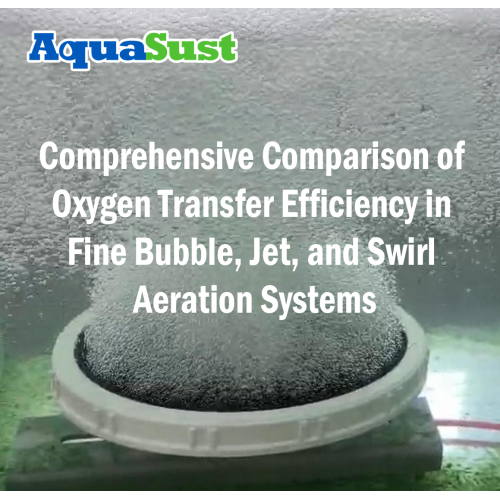
- Comprehensive Comparison of Oxygen Transfer Efficiency in Fine Bubble, Jet, and Swirl Aeration SystemsFeb 25,2026In wastewater treatment aeration systems, oxygen transfer efficiency is the core technical indicator.
Fine Bubble vs Jet Aeration Comparison
Best Aeration System for High MLSS
Aeration Efficiency under Different Water Depth
Industrial Wastewater Aeration Solutions
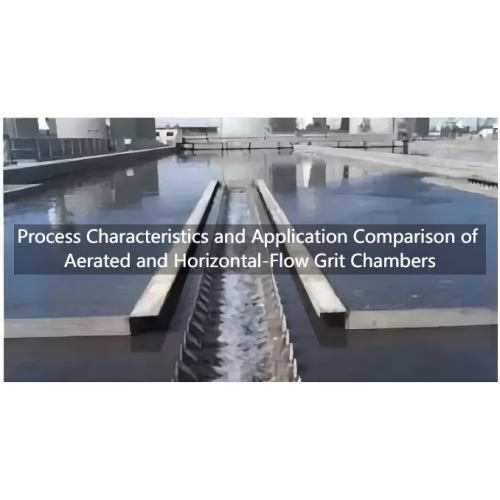
Energy Saving Aeration Technology - Process Characteristics and Application Comparison of Aerated and Horizontal-Flow Grit ChambersJan 29,2026Introduction to Grit Chambers in Wastewater Treatment
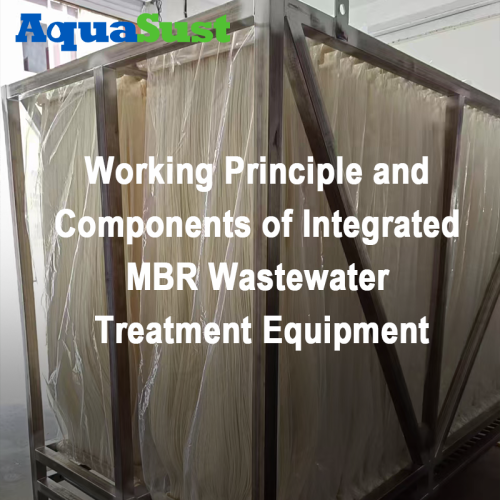
Functions and Comparison of Aerated and Horizontal-Flow Grit Chambers - Working Principle and Components of Integrated MBR Wastewater Treatment EquipmentNov 20,2025Integrated MBR wastewater treatment equipment is a highly efficient and environmentally friendly system that combines biological treatment with membrane separation. By utilizing Membrane Bioreactor (MBR) technology, it effectively removes suspended solids, organic pollutants, and microorganisms from wastewater while maintaining stable operation and low energy consumption.
- Rotary Mixer Disc Diffuser Structure, Working Principle and Technical SpecificationNov 12,2025In aerobic wastewater treatment processes, microorganisms decompose organic pollutants in water to achieve purification. The biochemical activity of these microorganisms requires an oxygen source, which is provided by the diffuser. The function of the diffuser is to disperse the air delivered by the blower through pipelines into the water, supplying the oxygen needed by microorganisms.
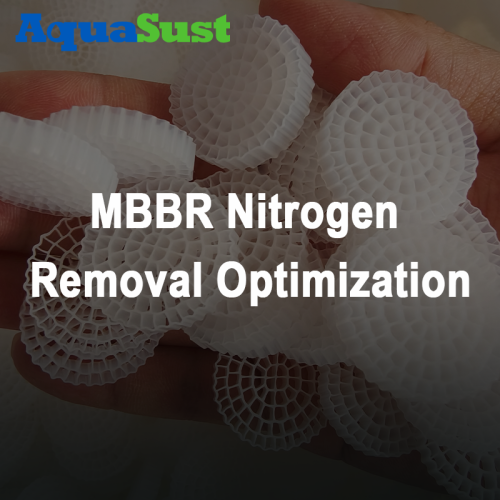
- MBBR Nitrogen Removal OptimizationNov 7,2025When the nitrogen removal efficiency in the MBBR (Moving Bed Biofilm Reactor) process is low, performance can be improved through the following adjustments:
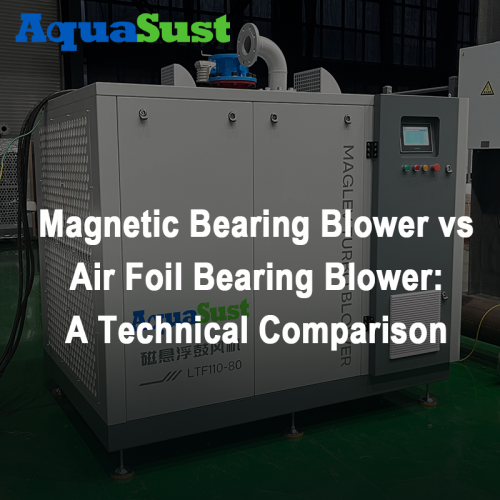
- Magnetic Bearing Blower vs Air Foil Bearing Blower: A Technical ComparisonOct 27,2025Magnetic Levitation Blowers and Air Foil Bearings Blowers are modern, high-efficiency, and energy-saving new-generation blowers. Both utilize non-contact bearings (magnetic levitation bearings or air foil bearings) and high-speed permanent magnet motors, achieving frictionless, oil-free levitation operation of the rotor.
- Wastewater Treatment Equipment: Integral to Safe and Eco-Friendly Hospital LaboratoriesOct 11,2025With the growing population and continuous advancements in medical technology, the number and scale of hospital laboratories have been gradually expanding, bringing the issue of wastewater treatment into sharp focus. Hospital laboratories must strengthen their wastewater treatment efforts to reduce pollution of the public environment and faithfully fulfill their environmental protection responsibilities.
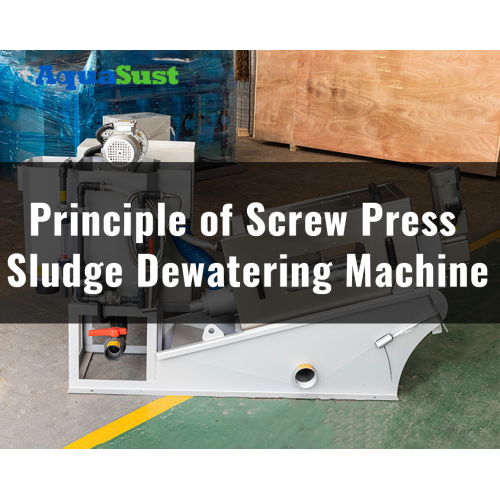
- Principle of Overlapping Screw Sludge Dewatering MachineSep 23,2025Principle of Screw Press Sludge Dewatering Machine
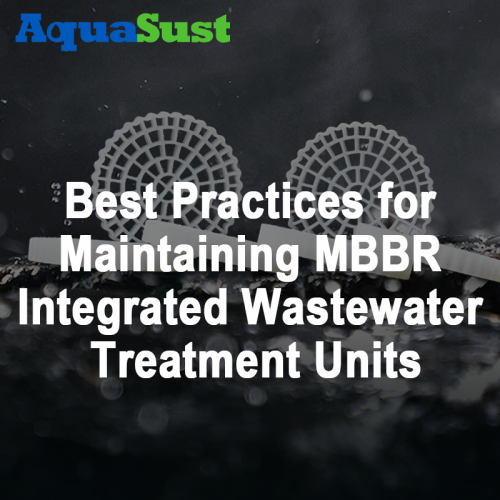
- Best Practices for Maintaining MBBR Integrated Wastewater Treatment UnitsSep 17,2025The MBBR (Moving Bed Biofilm Reactor) integrated sewage treatment system primarily consists of three parts: the reactor body, suspended bio-carriers, and the bottom fine bubble diffuser (Disc Diffuser / Tube Diffuser).
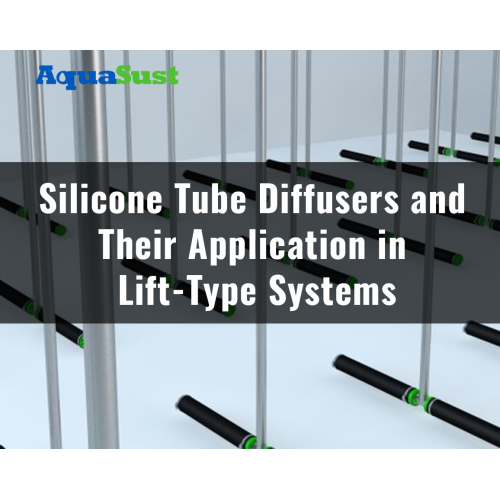
- Silicone Tube Diffusers and Their Application in Lift-Type SystemsSep 4,2025This article introduces silicone tube diffusers and liftable aeration systems for wastewater treatment. Silicone diffusers provide high chemical stability and clog resistance. Three liftable systems—frame-based, manual, and suspended-chain—are highlighted. These systems enable maintenance without draining tanks, reduce downtime, and lower operating costs, offering flexible and efficient aeration solutions.



Technology Support
- MBBR Technology Support
- Aeration Diffuser Technology Support
- Tube Settler Technology Support
- Sludge Dewatering Machine Technology Support
- Ventilating machine
- Recirculating Aquaculture System (RAS)
- The MBR process
- Aeration Tanks
- Wastewater Treatment Technology
- Blower Technology Support
- Rotary drum filter Technology Support
- Nitrification system Technology Support
- TECNOLOGY SUPPORT
- Full Name
Are you looking for Wastewater Treatment Product Manufacturers?
We can quickly provide customers with market analysis, technical support and customized services.Choose AquaSust Professional Wastewater Treatment Experts
Contact Person

Please send your message to us
- Name
- *Title
- *Content